Biography
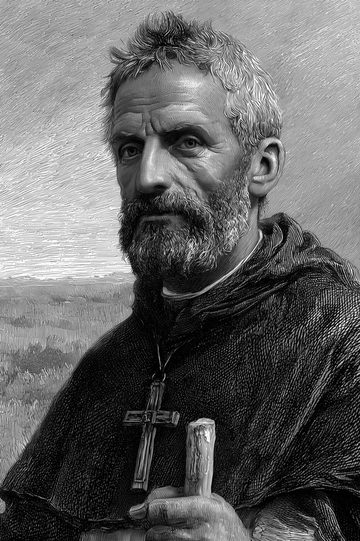
Pedro Lozano (1697-1752) was a Spanish Jesuit and the historian of the province of Paraguay. Born in Madrid in 1697, he left for South America as early as 1714, at the age of seventeen. He studied at the Colegio Máximo of Córdoba, in present-day Argentina, where he became professor of philosophy and theology; he also taught at Santa Fe, then returned to Córdoba as historian of the Society.
This office of historian, more than teaching, shaped his work. Lozano wrote from the papers of his brethren: missionary reports, maps, logbooks, field notes. In 1733 his Descripción chorográfica del Gran Chaco appeared in Córdoba, with a map by Father Antonio Machoni. Vast chronicles followed: a Historia de la conquista del Paraguay, Río de la Plata y Tucumán, which would not be printed until 1873-1875 in Buenos Aires, a Historia de las revoluciones de la provincia del Paraguay (1721-1735), devoted to the troubles of the province, and a Historia de la Compañía de Jesús de la provincia del Paraguay, published in Madrid in 1755, after his death.
The Diario de un viage a la costa de la mar Magallánica belongs to the same method. Lozano never sailed on the San Antonio: he composed this account from the surveys of Father José Quiroga and the notes of Father José Cardiel, two of the Jesuits sent in 1745 to reconnoitre the Patagonian coast by order of the Spanish Court. Hence this voice that says "they" where a logbook would say "we", and this rutter's tone, more attentive to latitudes, soundings and winds than to adventure. The text would not be published until 1836, in Buenos Aires, by Pedro de Angelis.
Lozano died in 1752 at Humahuaca, in the north of present-day Argentina. His name remains attached to a sober, thoroughly documented Jesuit historiography, which offers today's readers one of the rare views from within on the missions of Paraguay and on the southern edges of the continent.