Biography
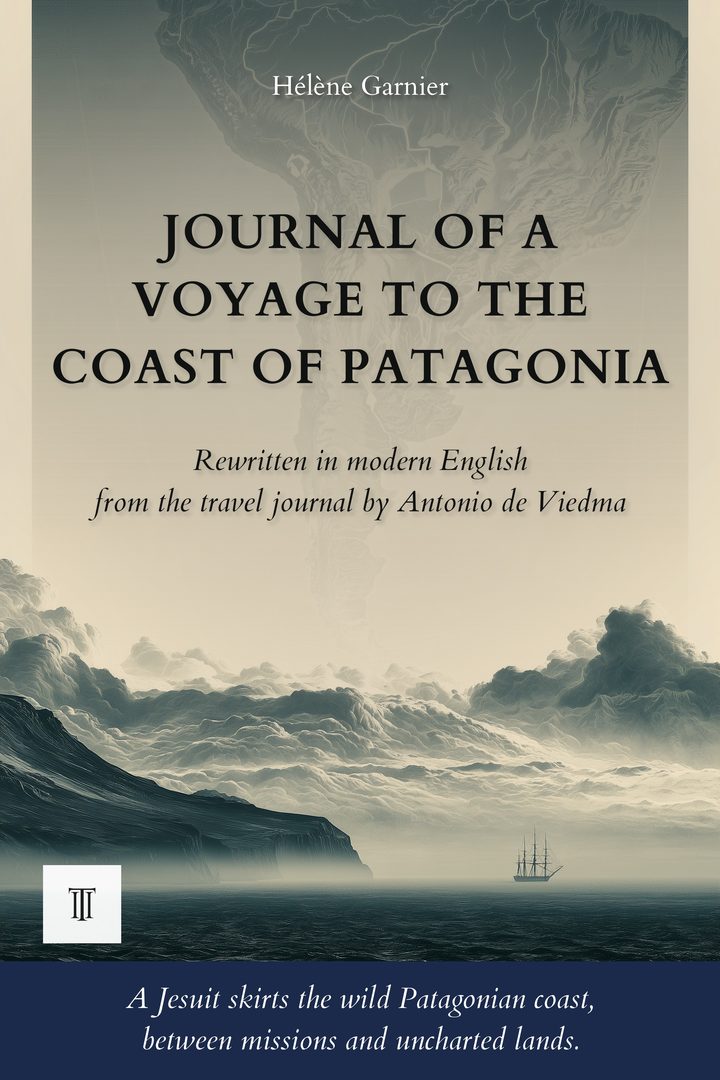
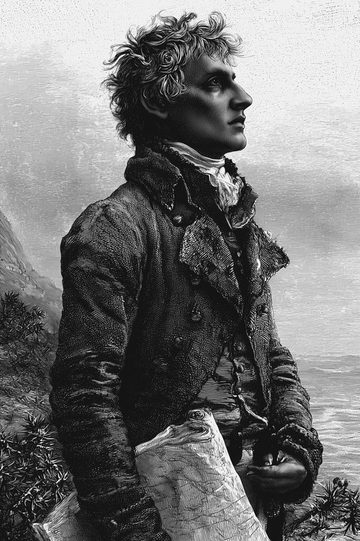
Antonio de Viedma (1742-1791) was an official of the Spanish Crown, born in Jaén, in Andalusia, and the author of the earliest detailed journal of the Patagonian coast. From 1780 to 1783 he commanded the settlement of San Julián, and we owe him a description of the Tehuelche that remains one of the major sources on this people in the eighteenth century.
He was born in Jaén, on 12 June 1742 according to the authority record, into a family of local notables: his father, Andrés Nicolás Fernández de Viedma y Narváez, was a regidor of the town council, and his mother was Feliciana Verdejo y Fajardo. He had two brothers, Andrés and Francisco, whom the same enterprise would take to Patagonia, and all three entered the navy young. Little is known of his early years.
In 1778 Antonio and Francisco arrived in Buenos Aires. Antonio landed there on 27 August with the expedition of Juan de la Piedra, as accountant and treasurer. In April 1779, when Francisco led the expedition to the Río Negro, he remained in charge of the camp at San José Bay, which scurvy forced him to leave for Montevideo on 1 August. The following year he was sent to San Julián Bay to replace his elder brother Andrés, who was ill.
His journal opens on 3 January 1780, at the embarkation. Having taken possession of Santa Elena, San Gregorio, Puerto Deseado and San Julián, he founded the Nueva Población y Fuerte de Floridablanca, the act of which is dated 28 January 1781. From 7 November to 3 December 1782 he travelled westward, some 720 kilometres there and back, to a great lake that place names now associate with his name, as they do the glacier that feeds it. He handed over command to Félix de Iriarte on 12 April 1783.
In Buenos Aires, in December 1783, he wrote the description of the southern coast, one of the first ethnographic descriptions of the Tehuelche. Viceroy Vértiz nevertheless recommended abandoning the settlements; a royal order of 1 August 1783 decided it, and the evacuation took place on 29 January 1784. The royal orders of 1784 and 1785 that sought to find him a new post came to nothing. He was finally allowed to return to Spain and live in Jaén on the salary he had earned as commissary superintendent of San Julián.
The date and place of his death are disputed. The authority record has him die in Jaén on 2 December 1791; other studies speak of 1809 in Cochabamba, which seems to confuse his end with that of his brother Francisco, who governed that province. His journal, left in the archives, appeared only in the nineteenth century in the collection of Pedro de Angelis.